Skidders in Action: How These Powerhouses Are Transforming Modern Logging Operations
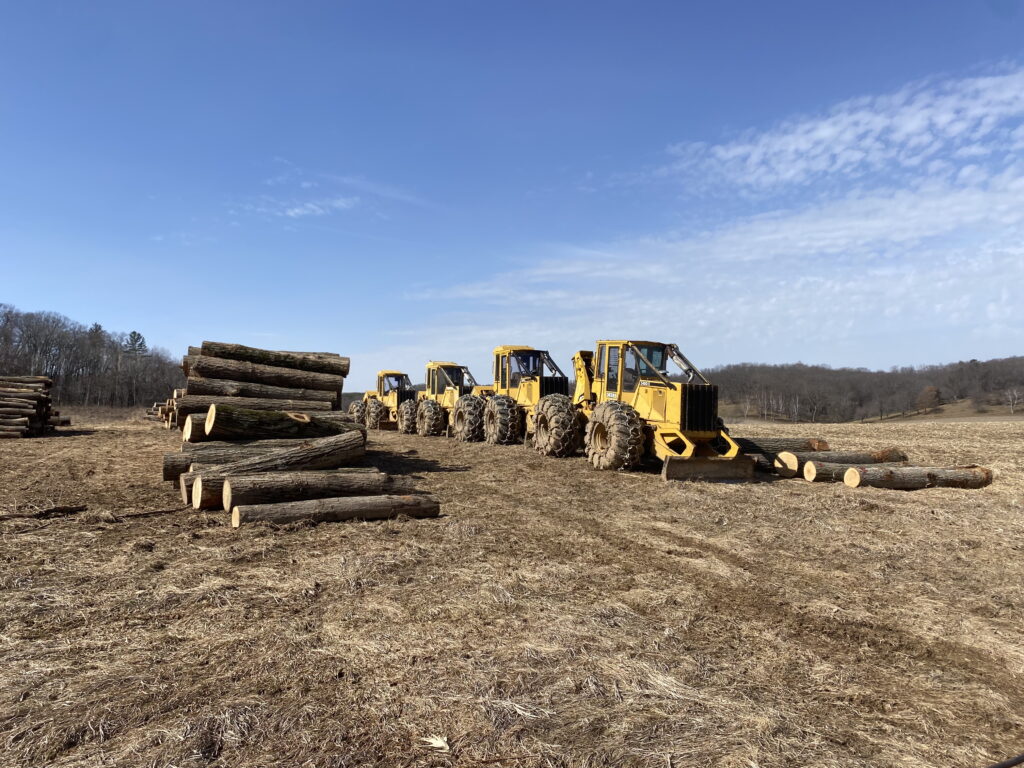
A lineup of rugged skidders equipped with heavy-duty tire chains at a working timber landing. These machines represent the backbone of efficient, high-productivity logging in today’s forestry industry.
In the demanding world of commercial logging, the right equipment doesn’t just make the job easier — it determines whether your operation stays profitable or falls behind. The photo above captures exactly that reality: a fleet of powerful grapple & cable skidders staged and ready for work on a clear, productive logging site. With their massive tires wrapped in chains for superior traction, articulated frames, and hydraulic grapples built for grabbing and dragging full-length logs, these machines are the unsung heroes of timber harvesting.
At Laxton Equipment, we specialize in sourcing and brokering the exact forestry equipment loggers need to maximize uptime and minimize costs. Whether you’re looking for grapple skidders for sale, cable skidders, dozers, forwarders, or processors, we hunt down the best machines nationwide so you don’t have to. In this guide, we break down why grapple skidders like the ones pictured are essential, what features to look for, and how partnering with the right equipment broker can give your logging business a serious edge.
What Is a Grapple Skidder and Why Does It Matter?
A grapple skidder is a specialized wheeled (or sometimes tracked) logging machine designed to drag cut timber from the stump to a central landing or roadside for loading onto trucks. Unlike older cable skidders that rely on winch lines and chokers, grapple skidders use a hydraulic boom and grapple head to quickly grab and lift multiple logs at once.
Key advantages in real-world logging:
• Speed: Load and move more wood per cycle than manual or cable methods.
• Fewer workers needed: One operator can handle what used to require a crew.
• Reduced soil compaction and site damage when equipped with proper tires and chains (as clearly visible in the image).
• Versatility: Excel in both selective cuts and clear-cuts across varied terrain.
The machines in the photo are classic examples of modern rubber-tired grapple skidders — likely John Deere or Caterpillar models — fitted with aggressive tire chains that provide the grip needed in muddy, snowy, or steep conditions common in forestry work.
Standout Features of Today’s Top Grapple Skidders
Looking at the equipment in the image, several performance-focused features stand out:
• Heavy-Duty Tire Chains and Large-Diameter Tires — Essential for traction in soft ground without sinking. Chains prevent slippage and extend tire life in harsh logging environments.
• Articulated Steering — Allows tight turns in tight woods while maintaining stability when loaded.
• High-Capacity Hydraulic Grapples — Dual-arch or single-arch designs that securely clamp multiple stems without dropping them.
• Powerful Engines with Excellent Torque — Deliver the pulling power needed to drag heavy loads over long distances.
• Operator Comfort and Visibility — Enclosed cabs with excellent sightlines reduce fatigue during long shifts.
Popular models we frequently source at Laxton Equipment include John Deere 648L/748L series, Caterpillar 525D/535D, and Tigercat units — all proven performers in North American logging operations.
Grapple Skidders vs. Cable Skidders: Which Is Right for Your Operation?
Most modern logging crews prefer grapple skidders for daily production because they dramatically reduce cycle times. The fleet pictured is optimized for exactly that kind of high-output work.
Real-World Benefits: Efficiency, Safety, and Profitability
Logging contractors who invest in well-maintained grapple skidders routinely report:
• 20-40% faster skidding cycles compared to older equipment.
• Lower operating costs per ton of wood moved.
• Improved operator retention thanks to comfortable cabs and easier controls.
• Better compliance with environmental regulations (less soil disturbance when chains and proper tire pressure are used).
The image perfectly illustrates a well-organized landing where skidders can quickly drop loads, allowing loaders and trucks to keep the wood moving efficiently — the hallmark of a profitable operation.
How Laxton Equipment Helps You Get the Right Grapple Skidder
We’re not just another dealer. Laxton Equipment is your dedicated “hunter” for heavy forestry machinery. Here’s how we make it simple:
• Nationwide sourcing — We tap decades of industry contacts to locate the exact grapple skidder (or any other logging equipment) you need.
• Honest, detailed listings — Every machine we represent comes with accurate hour readings, maintenance history, and condition reports.
• No-pressure approach — We focus on matching the right machine to your operation, terrain, and budget.
• Financing options and shipping coordination available.
• Full inventory categories: Grapple Skidders • Cable Skidders • Dozers • Forwarders • Cutters • Processors • Harvesters • Firewood Processors • and more.
Browse our current grapple skidders inventory or tell us exactly what you’re hunting for — we’ll find it fast.
Ready to Upgrade Your Logging Fleet?
The grapple skidders in the photo above aren’t just sitting there looking impressive — they’re built to work hard, day in and day out, delivering the productivity that keeps logging businesses thriving in a competitive industry.
Whether you need one machine or an entire fleet, Laxton Equipment has the expertise and connections to put the perfect equipment in your hands without the usual headaches.
Contact us today to discuss your next grapple skidder, cable skidder, or any other forestry equipment needs. Call Mark Laxton at (702) 875-2703 or email mark@laxtonequipment.com. We work the same hours you do — 8 AM to 7 PM MST, Monday through Saturday.
Let us hunt for you so you can focus on what matters most: getting timber out of the woods and dollars in the bank.