The global forestry equipment market is on track to expand from USD 11.33 billion in 2024 to USD 14.51 billion by 2030, reflecting the rising demand for environmentally responsible practices and cutting-edge harvesting technologies. With a projected CAGR of 4% from 2025 to 2030, this sector is undergoing a transformation led by electric and hybrid advancements, especially in North America.
Key Market Overview
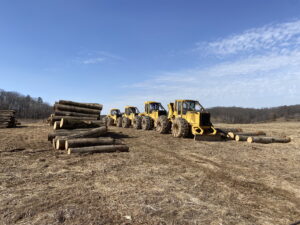
Recent growth in the forestry equipment sector is closely tied to the push for sustainable forest management and increasing utilization of wood-based bioenergy. Equipment such as harvesters, skidders, and chippers is becoming more efficient and environmentally conscious, reshaping the way forest operations are conducted.
Industry Shifts Toward Electric and Hybrid Systems
The adoption of electric and hybrid machinery is gaining momentum, aligned with the global transition toward clean energy. These systems are reducing carbon emissions, enhancing productivity, and aligning with environmental policies. This technological evolution is positioning forestry as a model for green innovation.
Market Segmentation
By Product
- Felling Equipment – Leading the segment due to its essential role in supplying timber for construction and paper industries.
- Extracting Equipment
- On-Site Processing Equipment
- Separately Sold Parts and Attachments
Felling machinery benefits from innovation that boosts productivity and minimizes ecological damage.
By Power Source
- Oil-Powered Equipment – Remains dominant due to durability and performance in rugged conditions, although manufacturers are working to meet stricter emission norms.
- Gas-Powered Equipment
- Electric Equipment – Gaining traction amid sustainability goals and evolving regulations.
By Region
North America continues to lead the global forestry equipment market, driven by:
- Advanced automation and GPS-enabled technologies
- Strong timber demand and bioenergy development
- Supportive forest conservation policies in the U.S. and Canada
Key Market Players
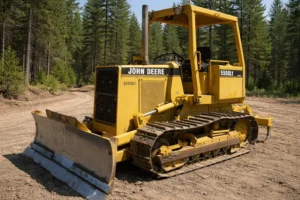
Industry leaders such as Deere & Company and Hitachi are investing in innovation, releasing new product lines tailored for sustainable logging and enhanced performance. Their focus remains on integrating smart systems and expanding electric-powered machinery portfolios.
Market Dynamics
Growth Drivers
- Urban development and infrastructure expansion
- Rising demand for wood and paper products
- Increased investment in eco-conscious machinery
Challenges
- High maintenance and operational costs
- Competitive pressure from emerging markets
Trends
- Emphasis on automation and remote operations
- Eco-friendly system integration across product lines
- Smart forestry solutions to meet regulatory demands
COVID-19 Impact and Recovery Outlook
Although the pandemic initially disrupted forestry operations and supply chains, the sector is rebounding through technological adoption and renewed emphasis on automation and efficiency. Companies are prioritizing digital tools and electric systems to future-proof their equipment lines and maintain competitiveness.
Conclusion
The forestry equipment industry is entering a transformative phase, driven by sustainability, automation, and innovative machinery. As demand for eco-friendly harvesting tools grows, and with North America setting the pace, the global market is poised for consistent expansion through 2030.
Source:
ResearchAndMarkets.com – Trusted provider of market intelligence, offering up-to-date insights into key sectors, product innovations, and future trends.